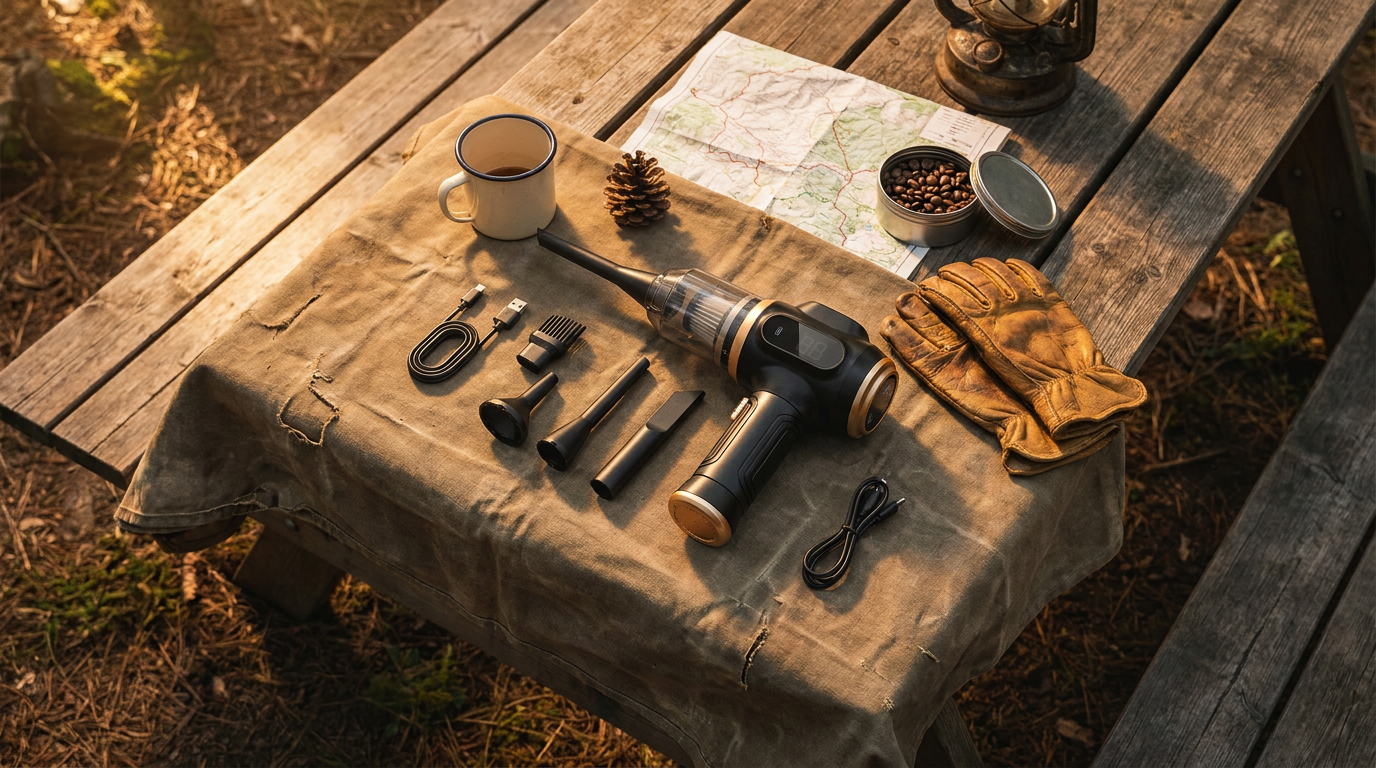
Rethinking the Camping Vacuum: A Multi-Tool Approach
 Maya ChenContributing Editor
The search for the best camping vacuum is a trap; the most valuable tool isn't a vacuum at all, but a multi-function device that also happens to clean. The current market is saturated with recommendations for downsized worksite tools, but this approach misidentifies the core problem of camp life: efficient space and weight management, not just cleanliness. A tool's worth is measured in the number of problems it solves, not the singular force of its suction.
The Flaw in the 'Dedicated Vacuum' Logic
The conventional wisdom says to grab a handheld vacuum from a major tool brand like DeWalt or Ryobi. These tools are powerful, but they anchor you to a heavy battery ecosystem designed for construction sites, not lightweight travel. Here's the part nobody talks about: the weight and volume penalty of a dedicated 18V or 20V battery and charger often exceeds that of the debris you're trying to clean over an entire trip. This approach is overkill, inefficient, and ignores the most valuable commodity on the trail: pack space.
Prioritizing Utility Over a Single Task
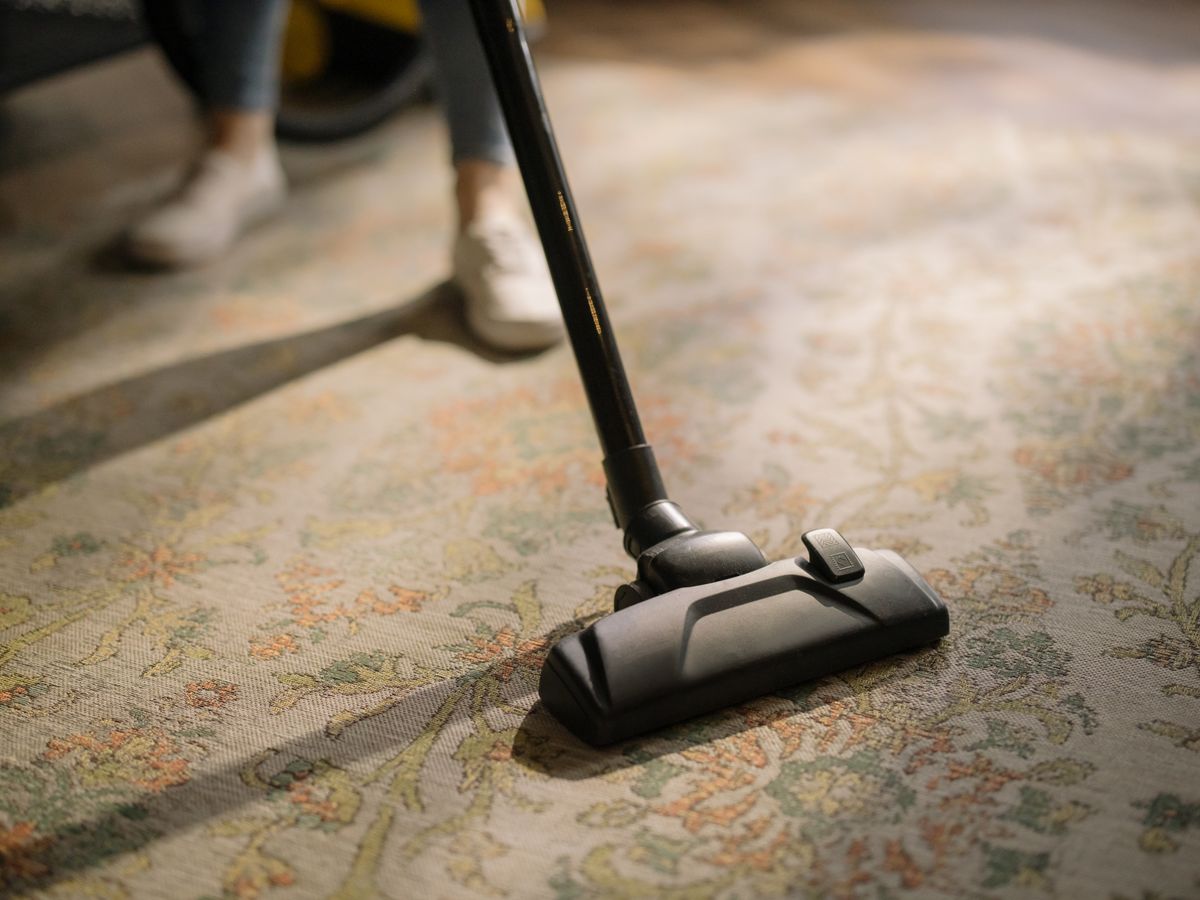
Photo by cottonbro studio on Pexels
A more logical framework prioritizes tools that solve multiple, high-value camping problems. A device that inflates a sleeping pad in 90 seconds, serves as a bellows to coax a damp fire to life, and also removes sand from a tent floor is an essential piece of gear. A tool that only vacuums is a luxury. This shifts the evaluation from 'how much suction?' to 'how many problems does it solve per gram?' The same blower function used for a fire can also be used to safely clean sensitive electronics or clear a dusty dashboard, adding value far beyond simple floor cleaning.
A New Framework for Gear Selection
Instead of evaluating a vacuum, evaluate a utility tool. Does it reduce the total number of items in your pack? An air pump is a standard item on a camping gear list from authorities like REI, but a multi-tool consolidates this function. This principle is the core of any essential packing list for clean travel. The goal is to carry items that perform tasks for both camp setup and teardown, from inflating pads to cleaning up the inevitable mess after your dog joins the adventure. A multi-purpose tool is uniquely equipped to tackle the stubborn pet hair that weaves itself into upholstery and sleeping bags.
Is a multi-purpose tool powerful enough for camping?
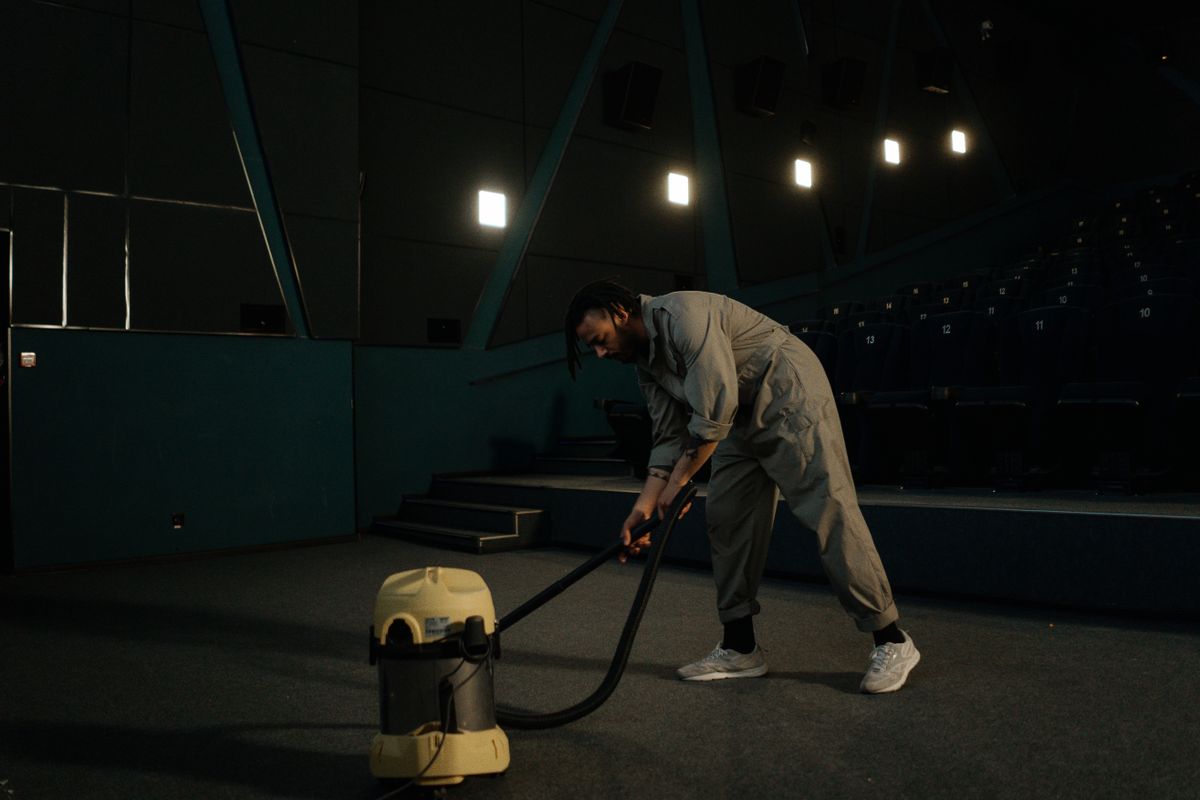
Photo by cottonbro studio on Pexels
This question mistakes brute force for effectiveness. A small multi-purpose vacuum isn't designed to compete with a 5-gallon shop vac. Its value lies in targeted suction and airflow for the specific debris found in a tent or vehicle—sand, pine needles, dust, and crumbs—without the associated weight and bulk of a high-voltage battery system. It is the correct tool for the job.
Why not just use a separate pump and a brush?
Run the math: A typical manual air pump, a small brush, and a fire bellows can easily occupy 2-3 liters of pack space and weigh over a pound combined. A single, integrated USB-C rechargeable device that performs all these functions plus vacuuming occupies a fraction of that volume. The consolidation of function, weight, and charging cables is the primary benefit, turning three 'nice-to-haves' into one piece of essential gear.