
Tent Hygiene: Why Shaking Out Your Tent Isn't Enough
 Maya ChenContributing Editor
The conventional wisdom says a vigorous shake and a quick sweep with a brush are all you need for maintaining tent hygiene on long trips. This approach is fundamentally flawed. It addresses visible debris but ignores the microscopic agents of degradation: fine grit and allergens. Shaking a tent merely relocates these particles, while brushing often grinds them deeper into the fabric weave. The real issue isn't just dirt; it's the slow, mechanical destruction of your gear's performance coatings.
Here's the part nobody talks about: micro-abrasion. Your tent floor has a polyurethane (PU) waterproof coating. When fine, sharp particles like sand and silt get trapped in the fabric, your body weight, sleeping pad, and gear grind them into this coating. This creates microscopic tears, compromising the tent’s ability to keep water out. Tent manufacturer MSR explicitly warns that "abrasives and excessive scrubbing can remove the tent’s waterproof coating," making manual extraction the only safe method for deep cleaning. A simple brush-off cannot dislodge embedded grit. A small multi-purpose vacuum for camping shifts the strategy from relocation to extraction, removing the abrasive agents entirely.
Beyond structural integrity, there is the issue of air quality. A tent is an enclosed space where allergens like pollen, dust, and mold spores concentrate. On a multi-day trip, this accumulation can impact sleep quality and respiratory comfort, especially for sensitive individuals. Removing this particulate matter requires more than just airflow; it requires capture and removal. This is a function of suction and filtration, two things a dustpan cannot offer. The discussion around HEPA filtration in small portable vacuums is relevant here, as it directly addresses the capture of sub-micron particles that constitute the bulk of airborne allergens.
Of course, adding another piece of gear to a pack list requires justification. A single-purpose tool is a liability. However, the argument changes when the tool serves multiple critical functions. The 6-in-1 Portable Vacuum also functions as a high-velocity blower, useful for stoking a fire or, more importantly, cleaning sensitive equipment. The debate over a portable vacuum vs compressed air for electronics highlights its utility in maintaining phones, camera sensors, and GPS units—items far more delicate than a tent floor.
I'll change my mind when a brush and dustpan can prove they remove 10-micron pollen particles and abrasive silt from woven nylon. Until then, extraction is the only viable strategy for long-term tent maintenance.
Is a portable vacuum an essential item for camping?
For a weekend trip, likely not. For expeditions longer than three days, where gear failure is a critical risk, removing abrasive particulates becomes a matter of asset protection, not just tidiness. Daily extraction of grit from seams and high-traffic floor areas is a preventative measure against long-term damage to waterproof coatings.
Can vacuuming damage delicate tent mesh or seams?
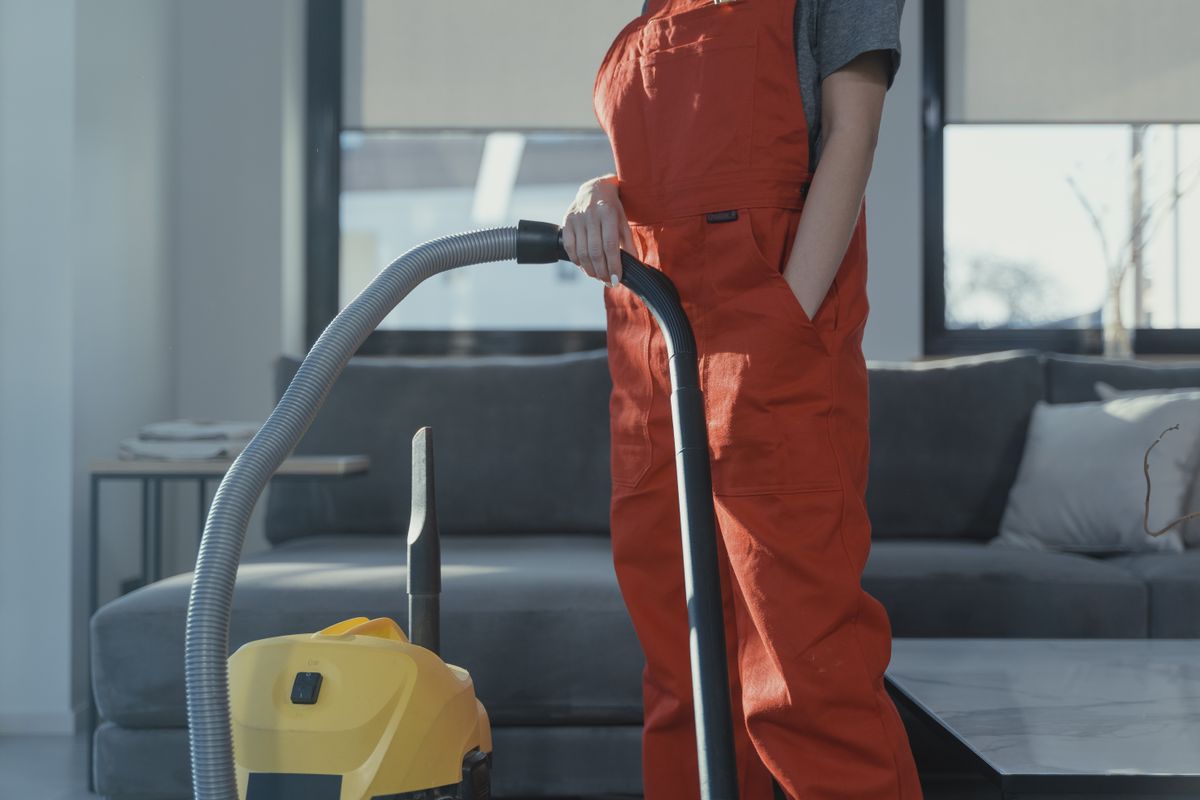
Photo by Tima Miroshnichenko on Pexels
No, when using the correct soft-brush attachment included with the 6-in-1 Portable Vacuum. The process uses suction, not friction, making it significantly less abrasive than scrubbing with a stiff brush. This allows for the safe removal of dust and pollen from fine No-See-Um mesh without stretching or tearing the material.