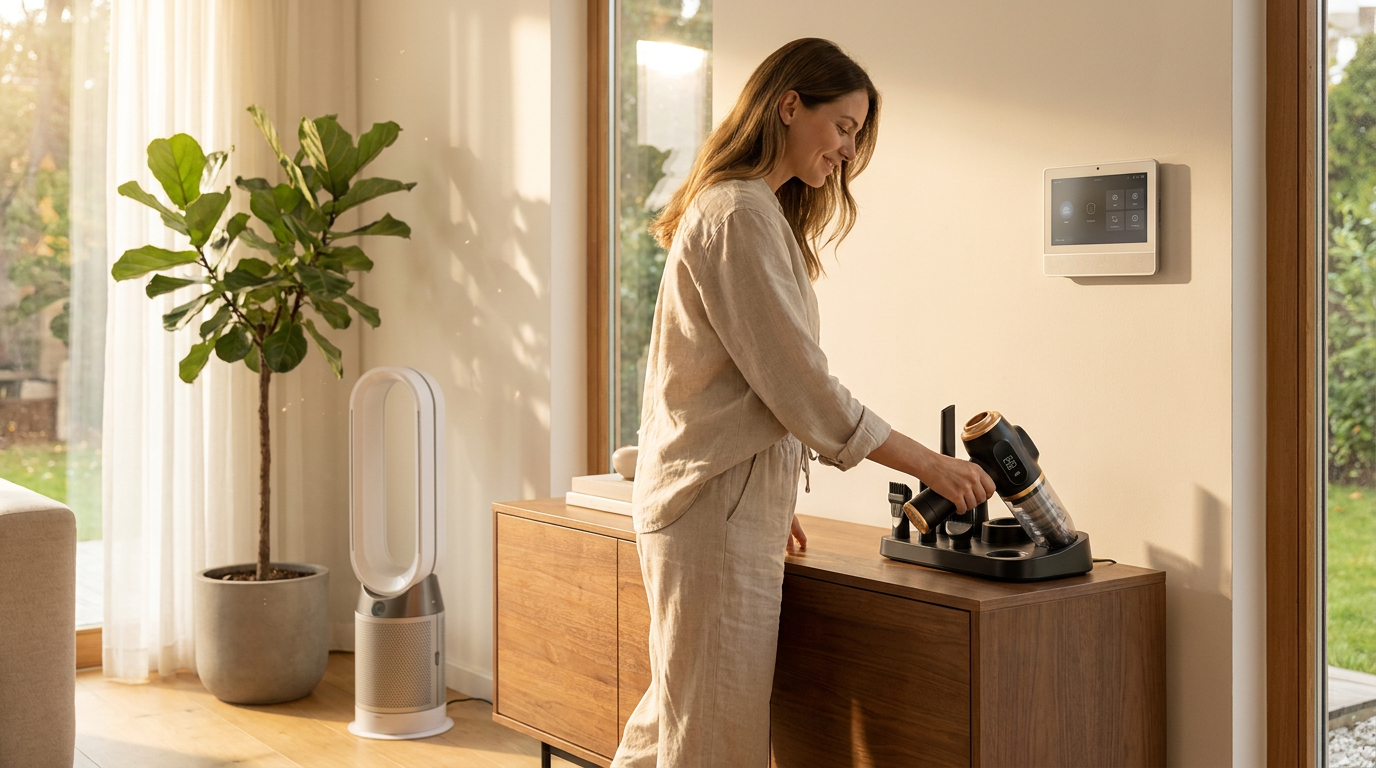
The Robot Vacuum's Blind Spot: Redefining Portable Cleaning
 Maya ChenContributing Editor
The proliferation of 'good enough' robot vacuums is paradoxically increasing the demand for specialized, high-performance manual tools to handle the jobs robots leave behind. The conventional wisdom says the future of portable cleaning technology is total automation—a fleet of autonomous robots handling every speck of dust. This narrative, however, overlooks a critical gap created by the very technology meant to solve the problem. As robots establish a baseline of floor cleanliness, they simultaneously highlight all the areas they cannot reach.
The Automation Paradox: Why Clean Floors Highlight Missed Dirt
Robot vacuums are proficient at cleaning the open 80% of a room's floor space. But here's the part nobody talks about: their predictable, circular, or grid-based paths make their failures just as predictable. They consistently miss edges along baseboards, navigate stairs poorly or not at all, and get tangled in complex environments. This creates an unintended consequence where a generally clean floor makes the missed dust in corners and on stair treads more conspicuous. A robot is fundamentally useless for the varied surfaces encountered when trying to maintain hygiene in non-standard spaces, like maintaining tent hygiene on long trips.
From Set-and-Forget to Grab-and-Go: The New Cleaning Mindset
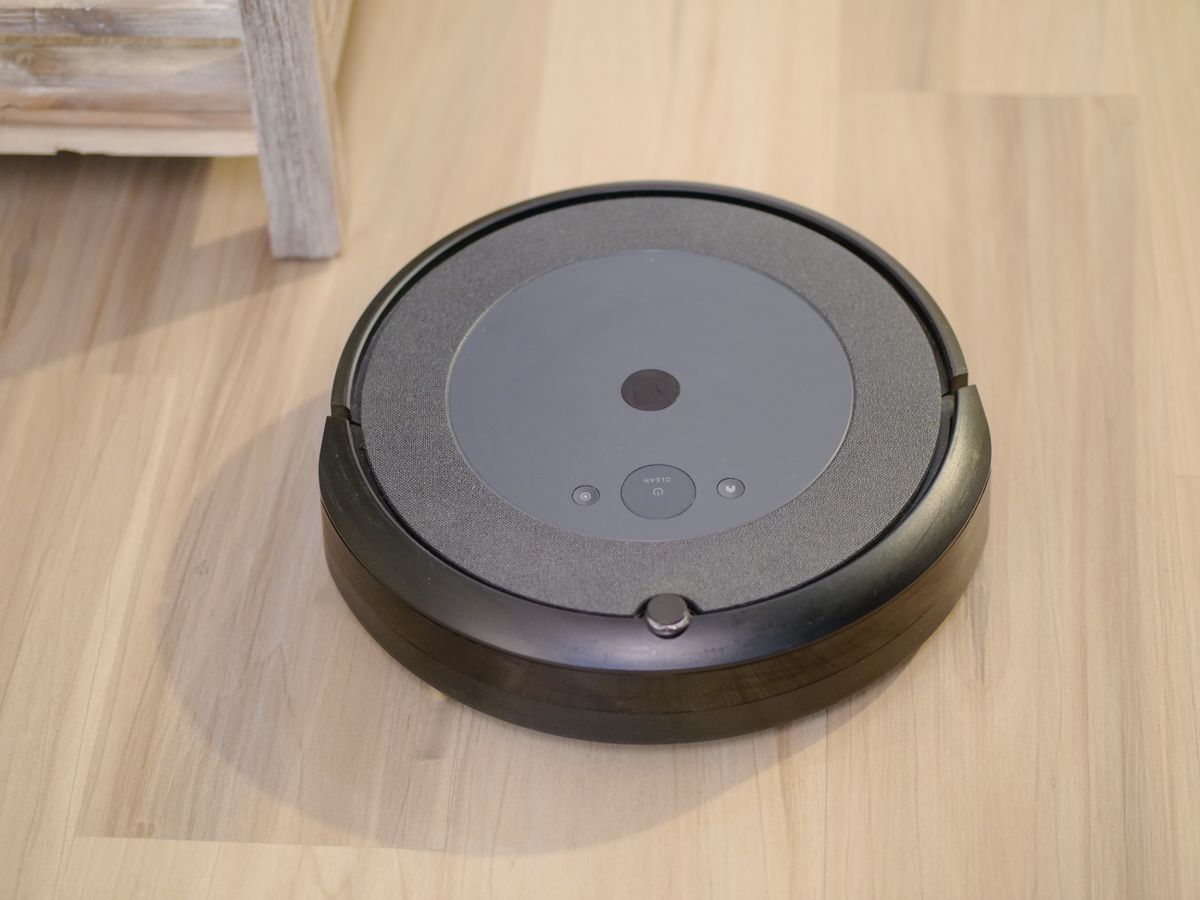
Photo by Kindel Media on Pexels
Automating routine floor maintenance fundamentally shifts user attention from large-area coverage to immediate, targeted spot-cleaning. A robot's scheduled run at 3 PM is irrelevant to the cereal spilled at breakfast or the pet hair accumulating on the sofa. Homeowners now require an instant, powerful solution for the messes that can't wait. This grab-and-go demand prioritizes power and accessibility over autonomous scheduling. For households with pets, this is a daily reality where a dedicated tool is essential, as the Belibuy 6-in-1 tackles the pet hair predicament far more effectively than a robot's generalized brushes.
Demanding More: The Rise of the Multi-Functional Manual Tool
As homeowners delegate floor duty, their expectations for manual tools have increased. A simple handheld dust-buster is no longer sufficient. The new standard is a versatile system with powerful suction and a suite of attachments for tasks far beyond a robot's scope. Consumers now expect a single device to handle car detailing, reach high ceilings for cobwebs, and even clean delicate items. Using a tool as a rechargeable air duster for electronics is now a practical expectation. This trend is validated by market leaders; Dyson, for instance, heavily promotes its laser-guided manual vacuums that "reveal microscopic dust," a clear admission that automation is not the complete picture, as detailed on their V15 Detect technology page. The focus has shifted to precision that only a human-operated tool can deliver.
I'll change my mind when a single autonomous device can clean both my hardwood floors and the fabric seats of my car with equal effectiveness. Until then, the most significant advancements in cleaning technology will be in the power and precision of the manual tools that fill the gaps left by automation.
Why are manual vacuums still relevant in an age of automation?
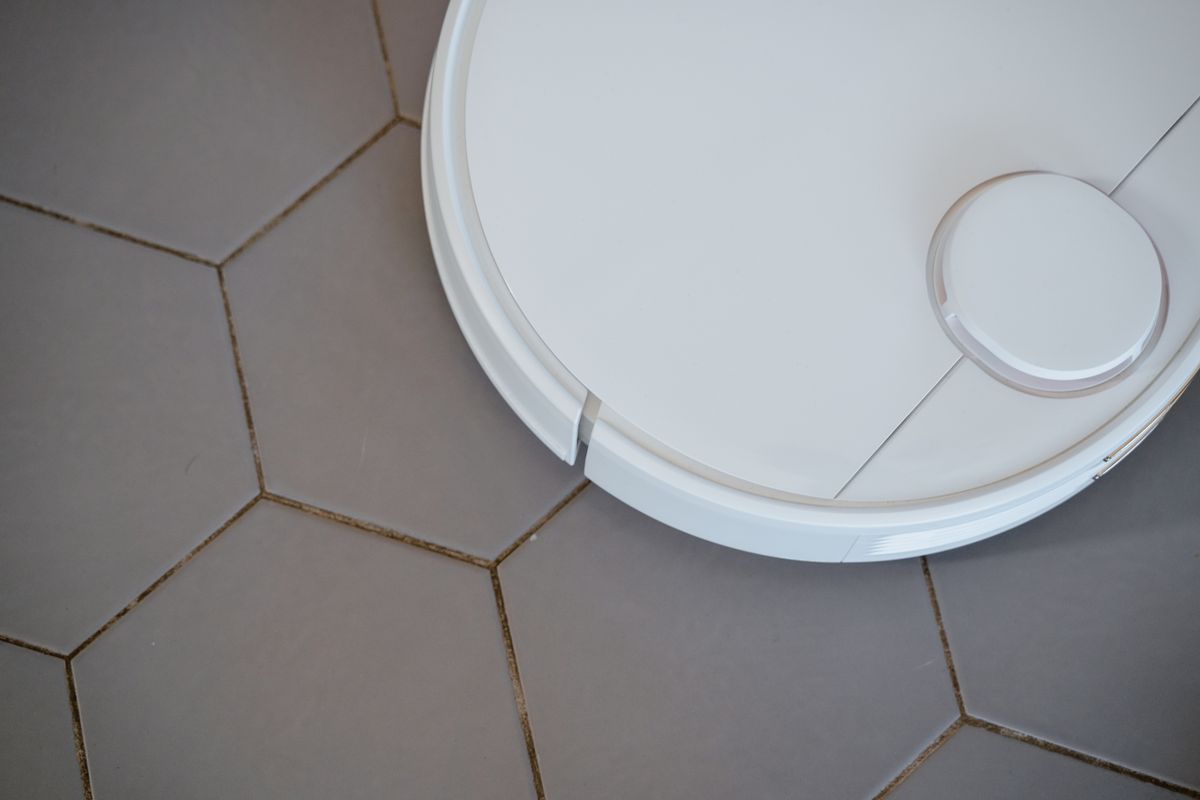
Photo by MART PRODUCTION on Pexels
Automation excels at large, simple surfaces but consistently fails at complex tasks. Robot vacuums cannot clean stairs, upholstery, car interiors, or tight corners. As they handle the baseline floor cleaning, the need for a powerful, precise manual tool to address these "blind spots" becomes more critical, not less. They are the specialized tool required to finish the job that automation starts.
What defines a high-performance portable vacuum in 2026?
Beyond raw suction power measured in Pascals, a high-performance portable vacuum is defined by its versatility and intelligent design. This includes a suite of specialized attachments for different surfaces, a battery that supports high-power use for more than a few minutes, and an effective filtration system. The inclusion of true HEPA filtration in small portable vacuums is no longer a luxury but a core feature for capturing the fine dust and allergens that less-advanced vacuums might recirculate.